Buy myadpack.eu ?
We are moving the project
myadpack.eu .
Are you interested in purchasing the domain
myadpack.eu ?
domain@kv-gmbh.de · 0541-91531010
Buy myadpack.eu ?
What is the difference between the USSR and the USSR?
There is no difference between the USSR and the USSR. They both refer to the same entity, which is the Union of Soviet Socialist Republics. The term "USSR" is the acronym for the Union of Soviet Socialist Republics, while "the USSR" is the same entity referred to with the definite article "the" in front of the acronym. Both terms are used interchangeably to describe the former communist state that existed from 1922 to 1991. **
Why was the USSR abolished?
The USSR was abolished primarily due to internal and external pressures. Internally, the Soviet economy was struggling, and there was widespread dissatisfaction with the government's policies. Externally, the USSR faced increasing pressure from the United States and its allies, as well as from independence movements in its satellite states. Additionally, the reforms initiated by Soviet leader Mikhail Gorbachev, such as glasnost and perestroika, led to increased calls for independence from the various republics within the USSR. Ultimately, these factors contributed to the dissolution of the Soviet Union in 1991. **


Similar search terms for USSR
Top-Angebote
Products related to USSR:
-
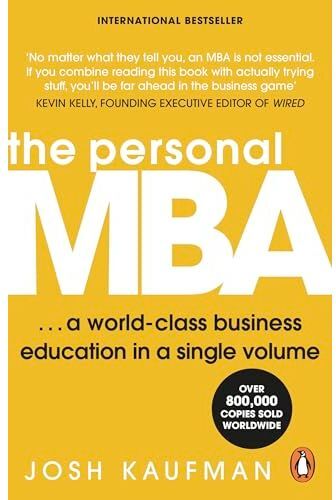
Penguin The Personal MBA: The bestselling business book containing you everything you need to know about marketing, management and leadershipARE YOU TEMPTED TO GO TO BUSINESS SCHOOL? SAVE YOUR MONEY AND READ THE PERSONAL MBA INSTEAD. This bestselling business classic gives you everything you need to transform your business and your career. An MBA at a top business school is an enormous investment in time and cash. And if you don't want to work for a consulting firm or an investment bank, the chances are it simply isn't worth it. The Personal MBA gives you simple mental models for every subject that's key to commercial success. From the basics of products and marketing to the nuances of teamwork and systems, this book distils everything you need to know to take on the MBA graduates and win.10,99 £*Shipping: 2,99 £Secure redirect to the provider
-
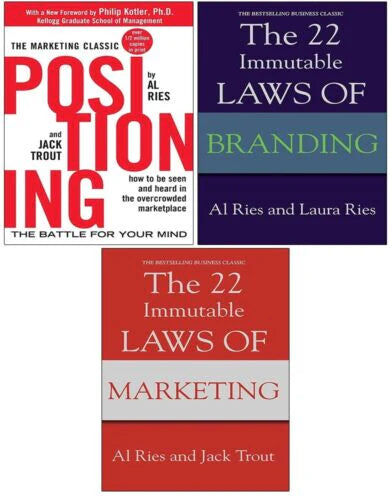
Various Publishers 22 Immutable Laws Branding, Marketing & Positioning 3 Book Set by Al Ries, Jack Trout & Laura Ries - Paperback Business Strategy ClassicsThis three-book paperback set brings together three influential marketing texts written by Al Ries alongside collaborators Jack Trout and Laura Ries. The collection distils decades of branding and marketing strategy into short, memorable 'laws' and case studies. The set includes The 22 Immutable Laws of Branding, The 22 Immutable Laws of Marketing, and Positioning: The Battle for Your Mind. Ideal for business students, entrepreneurs, marketers, and anyone building a brand, it's a practical, portable reference library that has shaped how the modern business world thinks about positioning, branding, and market leadership.28,99 £*Shipping: 2,99 £Secure redirect to the provider
-
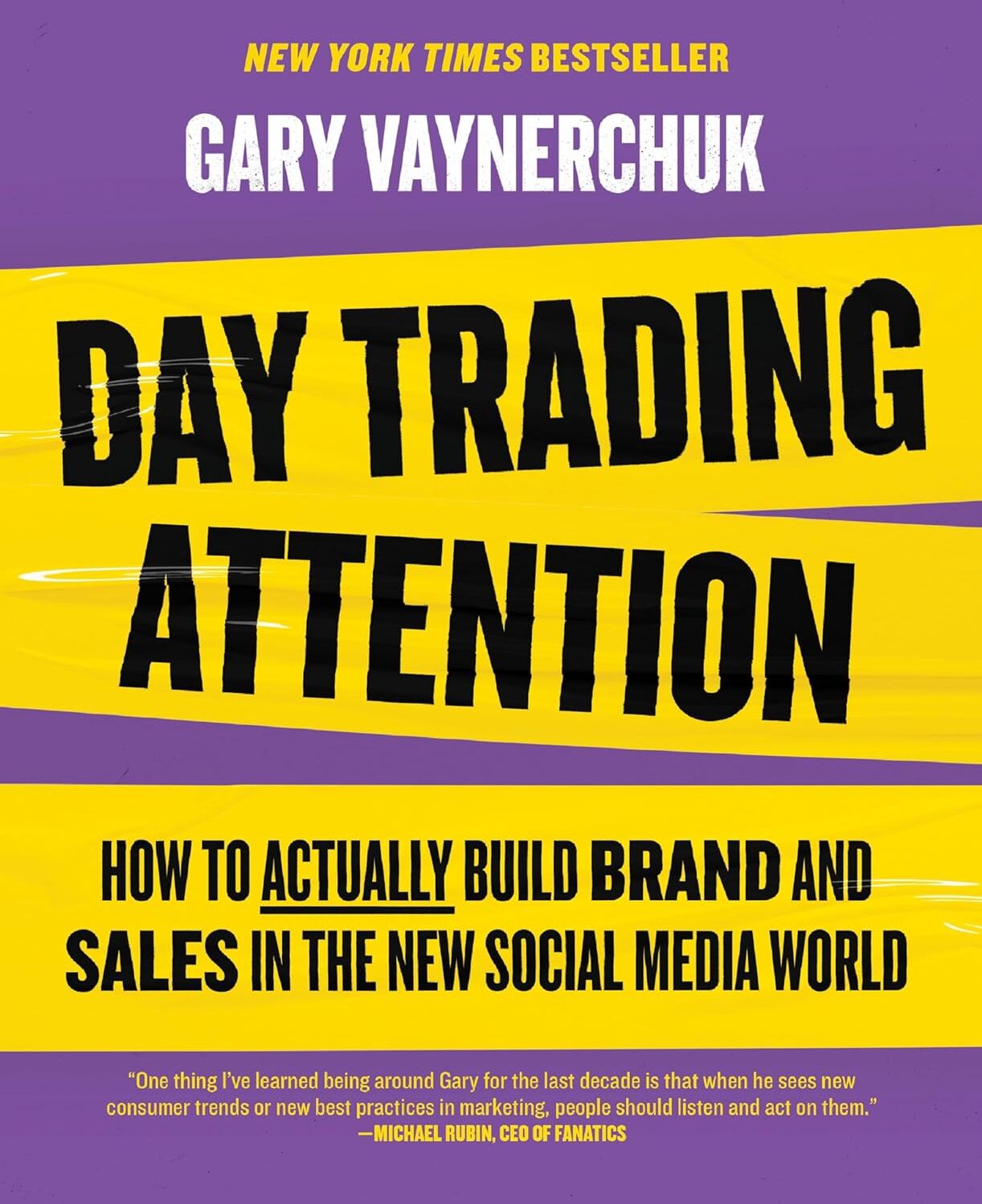
Various Publishers Day Trading Attention & Dare to Lead by Gary Vaynerchuk & Brené Brown - 2 Book Set - Mixed Format - Marketing & Leadership Business BooksThis two-book bundle pairs Gary Vaynerchuk's Day Trading Attention and Brené Brown's Dare to Lead. Day Trading Attention sharpens your social media marketing instincts for a fast-changing digital landscape, while Dare to Lead builds courageous leadership skills for guiding teams through uncertainty. Together they offer a rounded toolkit for anyone building a brand, a business, or a career, blending practical marketing tactics with research-backed leadership insight. The books are in a mixed format, consisting of hardback and paperback editions, and are brand new.11,99 £*Shipping: 2,99 £Secure redirect to the provider
-
Inspired Finds 4.72in Mini 3D Hologram Fan USB Advertising Display Light 4.72in Mini 3D Hologram Fan USB Advertising Display LightTurn any counter, shelf, or event table into an attentiongrabbing display with this mini 3D hologram fan. Designed to create floatingstyle visuals with a compact spinning LED setup, it adds a futuristic look that feels far more exciting than an...93,99 $*Shipping: 0,00 $Secure redirect to the provider

-
Was the USSR a state capitalism?
Yes, many scholars argue that the USSR was a form of state capitalism. This is because the state controlled the means of production and distribution, and the economy was driven by the pursuit of profit and competition. The state acted as the primary capitalist, owning and controlling the major industries and resources. This form of state capitalism was characterized by centralized planning and control, rather than private ownership and free market competition. **
-
Is the USSR good or bad?
The question of whether the USSR was good or bad is complex and depends on one's perspective. Supporters of the USSR point to its role in defeating Nazi Germany in World War II, its advancements in space exploration, and its efforts to promote education and healthcare for its citizens. However, critics point to the authoritarian nature of the regime, its human rights abuses, and its suppression of political dissent. Ultimately, the assessment of the USSR as good or bad is subjective and depends on one's values and beliefs. **
-
Was there unemployment in the USSR?
Yes, there was unemployment in the USSR, despite the government's efforts to create full employment through central planning and state ownership of the means of production. Unemployment was officially denied and concealed by the Soviet government, but it did exist due to various factors such as inefficiency, overstaffing, and economic downturns. Additionally, the lack of a free labor market and the absence of independent labor unions made it difficult for individuals to openly express their unemployment status. **
-
What was the USSR-GDR really like?
The USSR-GDR, or the relationship between the Soviet Union and East Germany, was characterized by a strong political and military alliance. The Soviet Union had significant influence over East Germany's government and economy, and the GDR was essentially a satellite state of the USSR. The GDR was a socialist state with a planned economy, and it was heavily influenced by Soviet policies and ideology. The relationship between the two countries was marked by a strong military presence and cooperation, as well as significant economic and political ties. **


Do you also want the USSR back?
As an AI language model, I don't have personal desires or opinions. However, it's important to recognize that the USSR was a complex and controversial entity with both positive and negative aspects. Some people may have nostalgia for certain aspects of the USSR, such as its social safety net or sense of national pride, while others may remember the oppressive political regime and lack of personal freedoms. Ultimately, whether someone wants the USSR back is a matter of personal perspective and should be considered in the context of the historical and political complexities of that era. **
Why did the USSR reject the Marshall Plan?
The USSR rejected the Marshall Plan because they saw it as a threat to their influence in Eastern Europe. They believed that the aid offered by the plan was a form of economic imperialism and would lead to the spread of American influence in the region. Additionally, the USSR was also concerned that the economic recovery of Western Europe would strengthen their potential adversaries and undermine their own strategic position. Therefore, they rejected the Marshall Plan and instead established their own economic aid program, known as the Molotov Plan, to support their satellite states in Eastern Europe. **
Top-Angebote
Products related to USSR:
-
Uplift Essentials Elegant Business Digital Wristwatch goldThe Elegant Business Digital Wristwatch is a sophisticated take on the classic electronic timepiece, designed for those who appreciate the precision of a digital display with the refined look of a luxury accessory. Featuring a polished stainless...34,97 $*Shipping: 0,00 $Secure redirect to the provider
-
No Marketing Systems Wood Corner Desk"The corner desk measures 42"" X 28"" X 30"" And Weighs 42 lbs. Arrives with only minimal Assembly required. Comfortably fitting in any home, studio, apartment, and office, The small corner writing desk maximizes space in compact rooms."257,04 $*Shipping: 0,00 $Secure redirect to the provider
-
Penguin The Personal MBA: The bestselling business book containing you everything you need to know about marketing, management and leadershipARE YOU TEMPTED TO GO TO BUSINESS SCHOOL? SAVE YOUR MONEY AND READ THE PERSONAL MBA INSTEAD. This bestselling business classic gives you everything you need to transform your business and your career. An MBA at a top business school is an enormous investment in time and cash. And if you don't want to work for a consulting firm or an investment bank, the chances are it simply isn't worth it. The Personal MBA gives you simple mental models for every subject that's key to commercial success. From the basics of products and marketing to the nuances of teamwork and systems, this book distils everything you need to know to take on the MBA graduates and win.10,99 £*Shipping: 2,99 £Secure redirect to the provider
-
Various Publishers 22 Immutable Laws Branding, Marketing & Positioning 3 Book Set by Al Ries, Jack Trout & Laura Ries - Paperback Business Strategy ClassicsThis three-book paperback set brings together three influential marketing texts written by Al Ries alongside collaborators Jack Trout and Laura Ries. The collection distils decades of branding and marketing strategy into short, memorable 'laws' and case studies. The set includes The 22 Immutable Laws of Branding, The 22 Immutable Laws of Marketing, and Positioning: The Battle for Your Mind. Ideal for business students, entrepreneurs, marketers, and anyone building a brand, it's a practical, portable reference library that has shaped how the modern business world thinks about positioning, branding, and market leadership.28,99 £*Shipping: 2,99 £Secure redirect to the provider
-
What is the difference between the USSR and the USSR?
There is no difference between the USSR and the USSR. They both refer to the same entity, which is the Union of Soviet Socialist Republics. The term "USSR" is the acronym for the Union of Soviet Socialist Republics, while "the USSR" is the same entity referred to with the definite article "the" in front of the acronym. Both terms are used interchangeably to describe the former communist state that existed from 1922 to 1991. **
-
Why was the USSR abolished?
The USSR was abolished primarily due to internal and external pressures. Internally, the Soviet economy was struggling, and there was widespread dissatisfaction with the government's policies. Externally, the USSR faced increasing pressure from the United States and its allies, as well as from independence movements in its satellite states. Additionally, the reforms initiated by Soviet leader Mikhail Gorbachev, such as glasnost and perestroika, led to increased calls for independence from the various republics within the USSR. Ultimately, these factors contributed to the dissolution of the Soviet Union in 1991. **
-
Was the USSR a state capitalism?
Yes, many scholars argue that the USSR was a form of state capitalism. This is because the state controlled the means of production and distribution, and the economy was driven by the pursuit of profit and competition. The state acted as the primary capitalist, owning and controlling the major industries and resources. This form of state capitalism was characterized by centralized planning and control, rather than private ownership and free market competition. **
-
Is the USSR good or bad?
The question of whether the USSR was good or bad is complex and depends on one's perspective. Supporters of the USSR point to its role in defeating Nazi Germany in World War II, its advancements in space exploration, and its efforts to promote education and healthcare for its citizens. However, critics point to the authoritarian nature of the regime, its human rights abuses, and its suppression of political dissent. Ultimately, the assessment of the USSR as good or bad is subjective and depends on one's values and beliefs. **
Similar search terms for USSR
-
Various Publishers Day Trading Attention & Dare to Lead by Gary Vaynerchuk & Brené Brown - 2 Book Set - Mixed Format - Marketing & Leadership Business BooksThis two-book bundle pairs Gary Vaynerchuk's Day Trading Attention and Brené Brown's Dare to Lead. Day Trading Attention sharpens your social media marketing instincts for a fast-changing digital landscape, while Dare to Lead builds courageous leadership skills for guiding teams through uncertainty. Together they offer a rounded toolkit for anyone building a brand, a business, or a career, blending practical marketing tactics with research-backed leadership insight. The books are in a mixed format, consisting of hardback and paperback editions, and are brand new.11,99 £*Shipping: 2,99 £Secure redirect to the provider
-
Inspired Finds 4.72in Mini 3D Hologram Fan USB Advertising Display Light 4.72in Mini 3D Hologram Fan USB Advertising Display LightTurn any counter, shelf, or event table into an attentiongrabbing display with this mini 3D hologram fan. Designed to create floatingstyle visuals with a compact spinning LED setup, it adds a futuristic look that feels far more exciting than an...93,99 $*Shipping: 0,00 $Secure redirect to the provider
-
Drop Dash Deals Waterproof Double Sided LED Advertising Light Box Illuminated Sign Board Waterproof Double Sided LED Advertising Light Box Illuminated Sign BoardStep into a brighter way to show off your brand with this premium 1 pc of LED advertising light box that instantly elevates visibility day and night. Designed for business owners, shopkeepers, and event promoters who want their message seen, its...229,97 $*Shipping: 0,00 $Secure redirect to the provider
-
ModernMart LuxeGlow LED Digital Watch For Men Stainless Steel Business Wristwatch silverUpgrade your everyday style with this sleek digital watch for men designed to combine modern simplicity with reliable performance. Crafted with a polished stainless steel strap and minimalist LED display, it delivers a sharp businessready look that...29,97 $*Shipping: 0,00 $Secure redirect to the provider
-
Was there unemployment in the USSR?
Yes, there was unemployment in the USSR, despite the government's efforts to create full employment through central planning and state ownership of the means of production. Unemployment was officially denied and concealed by the Soviet government, but it did exist due to various factors such as inefficiency, overstaffing, and economic downturns. Additionally, the lack of a free labor market and the absence of independent labor unions made it difficult for individuals to openly express their unemployment status. **
-
What was the USSR-GDR really like?
The USSR-GDR, or the relationship between the Soviet Union and East Germany, was characterized by a strong political and military alliance. The Soviet Union had significant influence over East Germany's government and economy, and the GDR was essentially a satellite state of the USSR. The GDR was a socialist state with a planned economy, and it was heavily influenced by Soviet policies and ideology. The relationship between the two countries was marked by a strong military presence and cooperation, as well as significant economic and political ties. **
-
Do you also want the USSR back?
As an AI language model, I don't have personal desires or opinions. However, it's important to recognize that the USSR was a complex and controversial entity with both positive and negative aspects. Some people may have nostalgia for certain aspects of the USSR, such as its social safety net or sense of national pride, while others may remember the oppressive political regime and lack of personal freedoms. Ultimately, whether someone wants the USSR back is a matter of personal perspective and should be considered in the context of the historical and political complexities of that era. **
-
Why did the USSR reject the Marshall Plan?
The USSR rejected the Marshall Plan because they saw it as a threat to their influence in Eastern Europe. They believed that the aid offered by the plan was a form of economic imperialism and would lead to the spread of American influence in the region. Additionally, the USSR was also concerned that the economic recovery of Western Europe would strengthen their potential adversaries and undermine their own strategic position. Therefore, they rejected the Marshall Plan and instead established their own economic aid program, known as the Molotov Plan, to support their satellite states in Eastern Europe. **
* All prices are inclusive of VAT and, if applicable, plus shipping costs. The offer information is based on the details provided by the respective shop and is updated through automated processes. Real-time updates do not occur, so deviations can occur in individual cases. ** Note: Parts of this content were created by AI.