Buy myadpack.eu ?
We are moving the project
myadpack.eu .
Are you interested in purchasing the domain
myadpack.eu ?
domain@kv-gmbh.de · 0541-91531010
Buy myadpack.eu ?
Why do agricultural soils steam?
Agricultural soils steam because of the release of water vapor when the soil is heated. This can occur when the sun warms the soil during the day, causing moisture in the soil to evaporate and rise as steam. Additionally, when the soil is tilled or disturbed, it can release trapped moisture in the form of steam. This steaming process is a natural part of the soil's water cycle and helps to regulate moisture levels in the soil. **
Which soils have which capillary effects?
Different types of soils have different capillary effects. For example, soils with smaller particle sizes, such as clay, have stronger capillary effects compared to soils with larger particle sizes, like sand. This is because smaller particles create more surface area for water to be drawn up through capillary action. Additionally, soils with higher organic matter content tend to have stronger capillary effects due to the presence of organic molecules that can hold onto water more effectively. Overall, the capillary effect in soils is influenced by factors such as particle size, soil composition, and organic matter content. **

Similar search terms for Soils
Top-Angebote
Products related to Soils:
-
Uplift Essentials Elegant Business Digital Wristwatch silverThe Elegant Business Digital Wristwatch is a sophisticated take on the classic electronic timepiece, designed for those who appreciate the precision of a digital display with the refined look of a luxury accessory. Featuring a polished stainless...34,97 $*Shipping: 0,00 $Secure redirect to the provider
-
Inspired Finds 4.72in Mini 3D Hologram Fan USB Advertising Display Light 4.72in Mini 3D Hologram Fan USB Advertising Display LightTurn any counter, shelf, or event table into an attentiongrabbing display with this mini 3D hologram fan. Designed to create floatingstyle visuals with a compact spinning LED setup, it adds a futuristic look that feels far more exciting than an...93,99 $*Shipping: 0,00 $Secure redirect to the provider
-
Various Publishers 22 Immutable Laws Branding, Marketing & Positioning 3 Book Set by Al Ries, Jack Trout & Laura Ries - Paperback Business Strategy ClassicsThis three-book paperback set brings together three influential marketing texts written by Al Ries alongside collaborators Jack Trout and Laura Ries. The collection distils decades of branding and marketing strategy into short, memorable 'laws' and case studies. The set includes The 22 Immutable Laws of Branding, The 22 Immutable Laws of Marketing, and Positioning: The Battle for Your Mind. Ideal for business students, entrepreneurs, marketers, and anyone building a brand, it's a practical, portable reference library that has shaped how the modern business world thinks about positioning, branding, and market leadership.28,99 £*Shipping: 2,99 £Secure redirect to the provider
-
Various Publishers Day Trading Attention & Dare to Lead by Gary Vaynerchuk & Brené Brown - 2 Book Set - Mixed Format - Marketing & Leadership Business BooksThis two-book bundle pairs Gary Vaynerchuk's Day Trading Attention and Brené Brown's Dare to Lead. Day Trading Attention sharpens your social media marketing instincts for a fast-changing digital landscape, while Dare to Lead builds courageous leadership skills for guiding teams through uncertainty. Together they offer a rounded toolkit for anyone building a brand, a business, or a career, blending practical marketing tactics with research-backed leadership insight. The books are in a mixed format, consisting of hardback and paperback editions, and are brand new.11,99 £*Shipping: 2,99 £Secure redirect to the provider




-
How do I properly reduce clay soils?
To properly reduce clay soils, you can start by incorporating organic matter such as compost, manure, or leaf mold into the soil. This will help improve drainage and aeration, making it easier for plant roots to grow. Additionally, you can add sand or perlite to the soil to help break up the clay particles and improve soil structure. It's important to regularly amend the soil over time to see lasting improvements in soil quality. **
-
What are dry savanna soils in geography?
Dry savanna soils are a type of soil found in the savanna biome, which is characterized by a combination of grasses and scattered trees. These soils are typically low in nutrients and organic matter, and are often sandy or clayey in texture. They are also prone to erosion and have low water retention capacity, making them less suitable for agriculture. Dry savanna soils are adapted to the dry, seasonal climate of the savanna biome, and play a crucial role in supporting the unique vegetation and wildlife of this ecosystem. **
-
Why are cohesive soils susceptible to frost?
Cohesive soils, such as clay and silt, are susceptible to frost because their fine particles allow water to be easily trapped within their structure. When this water freezes, it expands and exerts pressure on the soil particles, leading to heaving and cracking. Additionally, the cohesive nature of these soils means that the ice crystals formed during freezing can bind the soil particles together, further increasing the potential for damage. As a result, cohesive soils are more prone to frost-related issues such as frost heave and reduced strength during freezing and thawing cycles. **
-
Which soils are fertile and which are not?
Fertile soils are typically rich in organic matter, nutrients, and have a good structure that allows for good water and air retention. These soils are usually well-drained and have a pH level that is suitable for plant growth. In contrast, infertile soils are often lacking in essential nutrients, have poor structure, and may have high levels of acidity or alkalinity that are not conducive to plant growth. Additionally, infertile soils may have poor water retention and drainage, making it difficult for plants to thrive. **


Why are some soils on this earth slippery?
Some soils are slippery because they contain a high percentage of clay particles. Clay has a very fine particle size and a unique structure that allows water to be easily trapped between the particles, creating a lubricating effect. This makes the soil surface slippery when wet. Additionally, the presence of organic matter and certain minerals can also contribute to the slippery nature of soils. **
How can different types of soils be drawn?
Different types of soils can be drawn by using different colors and textures to represent their characteristics. For example, sandy soil can be represented with light colors and a grainy texture, while clay soil can be drawn with darker colors and a smooth texture. Additionally, the composition and structure of the soil can be depicted through the use of different shapes and patterns. By using these visual cues, different types of soils can be effectively represented in drawings and diagrams. **
Top-Angebote
Products related to Soils:
-
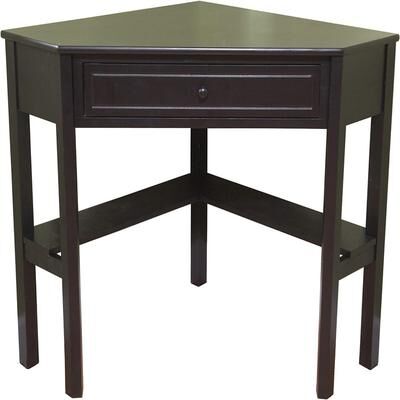
No Marketing Systems Wood Corner Desk"The corner desk measures 42"" X 28"" X 30"" And Weighs 42 lbs. Arrives with only minimal Assembly required. Comfortably fitting in any home, studio, apartment, and office, The small corner writing desk maximizes space in compact rooms."258,89 $*Shipping: 0,00 $Secure redirect to the provider
-
Penguin The Personal MBA: The bestselling business book containing you everything you need to know about marketing, management and leadershipARE YOU TEMPTED TO GO TO BUSINESS SCHOOL? SAVE YOUR MONEY AND READ THE PERSONAL MBA INSTEAD. This bestselling business classic gives you everything you need to transform your business and your career. An MBA at a top business school is an enormous investment in time and cash. And if you don't want to work for a consulting firm or an investment bank, the chances are it simply isn't worth it. The Personal MBA gives you simple mental models for every subject that's key to commercial success. From the basics of products and marketing to the nuances of teamwork and systems, this book distils everything you need to know to take on the MBA graduates and win.10,99 £*Shipping: 2,99 £Secure redirect to the provider
-
Uplift Essentials Elegant Business Digital Wristwatch silverThe Elegant Business Digital Wristwatch is a sophisticated take on the classic electronic timepiece, designed for those who appreciate the precision of a digital display with the refined look of a luxury accessory. Featuring a polished stainless...34,97 $*Shipping: 0,00 $Secure redirect to the provider
-
Inspired Finds 4.72in Mini 3D Hologram Fan USB Advertising Display Light 4.72in Mini 3D Hologram Fan USB Advertising Display LightTurn any counter, shelf, or event table into an attentiongrabbing display with this mini 3D hologram fan. Designed to create floatingstyle visuals with a compact spinning LED setup, it adds a futuristic look that feels far more exciting than an...93,99 $*Shipping: 0,00 $Secure redirect to the provider
-
Why do agricultural soils steam?
Agricultural soils steam because of the release of water vapor when the soil is heated. This can occur when the sun warms the soil during the day, causing moisture in the soil to evaporate and rise as steam. Additionally, when the soil is tilled or disturbed, it can release trapped moisture in the form of steam. This steaming process is a natural part of the soil's water cycle and helps to regulate moisture levels in the soil. **
-
Which soils have which capillary effects?
Different types of soils have different capillary effects. For example, soils with smaller particle sizes, such as clay, have stronger capillary effects compared to soils with larger particle sizes, like sand. This is because smaller particles create more surface area for water to be drawn up through capillary action. Additionally, soils with higher organic matter content tend to have stronger capillary effects due to the presence of organic molecules that can hold onto water more effectively. Overall, the capillary effect in soils is influenced by factors such as particle size, soil composition, and organic matter content. **
-
How do I properly reduce clay soils?
To properly reduce clay soils, you can start by incorporating organic matter such as compost, manure, or leaf mold into the soil. This will help improve drainage and aeration, making it easier for plant roots to grow. Additionally, you can add sand or perlite to the soil to help break up the clay particles and improve soil structure. It's important to regularly amend the soil over time to see lasting improvements in soil quality. **
-
What are dry savanna soils in geography?
Dry savanna soils are a type of soil found in the savanna biome, which is characterized by a combination of grasses and scattered trees. These soils are typically low in nutrients and organic matter, and are often sandy or clayey in texture. They are also prone to erosion and have low water retention capacity, making them less suitable for agriculture. Dry savanna soils are adapted to the dry, seasonal climate of the savanna biome, and play a crucial role in supporting the unique vegetation and wildlife of this ecosystem. **
Similar search terms for Soils
-
Various Publishers 22 Immutable Laws Branding, Marketing & Positioning 3 Book Set by Al Ries, Jack Trout & Laura Ries - Paperback Business Strategy ClassicsThis three-book paperback set brings together three influential marketing texts written by Al Ries alongside collaborators Jack Trout and Laura Ries. The collection distils decades of branding and marketing strategy into short, memorable 'laws' and case studies. The set includes The 22 Immutable Laws of Branding, The 22 Immutable Laws of Marketing, and Positioning: The Battle for Your Mind. Ideal for business students, entrepreneurs, marketers, and anyone building a brand, it's a practical, portable reference library that has shaped how the modern business world thinks about positioning, branding, and market leadership.28,99 £*Shipping: 2,99 £Secure redirect to the provider
-
Various Publishers Day Trading Attention & Dare to Lead by Gary Vaynerchuk & Brené Brown - 2 Book Set - Mixed Format - Marketing & Leadership Business BooksThis two-book bundle pairs Gary Vaynerchuk's Day Trading Attention and Brené Brown's Dare to Lead. Day Trading Attention sharpens your social media marketing instincts for a fast-changing digital landscape, while Dare to Lead builds courageous leadership skills for guiding teams through uncertainty. Together they offer a rounded toolkit for anyone building a brand, a business, or a career, blending practical marketing tactics with research-backed leadership insight. The books are in a mixed format, consisting of hardback and paperback editions, and are brand new.11,99 £*Shipping: 2,99 £Secure redirect to the provider
-
Drop Dash Deals Waterproof Double Sided LED Advertising Light Box Illuminated Sign Board Waterproof Double Sided LED Advertising Light Box Illuminated Sign BoardStep into a brighter way to show off your brand with this premium 1 pc of LED advertising light box that instantly elevates visibility day and night. Designed for business owners, shopkeepers, and event promoters who want their message seen, its...229,97 $*Shipping: 0,00 $Secure redirect to the provider
-
Uplift Essentials Elegant Business Digital Wristwatch goldThe Elegant Business Digital Wristwatch is a sophisticated take on the classic electronic timepiece, designed for those who appreciate the precision of a digital display with the refined look of a luxury accessory. Featuring a polished stainless...34,97 $*Shipping: 0,00 $Secure redirect to the provider
-
Why are cohesive soils susceptible to frost?
Cohesive soils, such as clay and silt, are susceptible to frost because their fine particles allow water to be easily trapped within their structure. When this water freezes, it expands and exerts pressure on the soil particles, leading to heaving and cracking. Additionally, the cohesive nature of these soils means that the ice crystals formed during freezing can bind the soil particles together, further increasing the potential for damage. As a result, cohesive soils are more prone to frost-related issues such as frost heave and reduced strength during freezing and thawing cycles. **
-
Which soils are fertile and which are not?
Fertile soils are typically rich in organic matter, nutrients, and have a good structure that allows for good water and air retention. These soils are usually well-drained and have a pH level that is suitable for plant growth. In contrast, infertile soils are often lacking in essential nutrients, have poor structure, and may have high levels of acidity or alkalinity that are not conducive to plant growth. Additionally, infertile soils may have poor water retention and drainage, making it difficult for plants to thrive. **
-
Why are some soils on this earth slippery?
Some soils are slippery because they contain a high percentage of clay particles. Clay has a very fine particle size and a unique structure that allows water to be easily trapped between the particles, creating a lubricating effect. This makes the soil surface slippery when wet. Additionally, the presence of organic matter and certain minerals can also contribute to the slippery nature of soils. **
-
How can different types of soils be drawn?
Different types of soils can be drawn by using different colors and textures to represent their characteristics. For example, sandy soil can be represented with light colors and a grainy texture, while clay soil can be drawn with darker colors and a smooth texture. Additionally, the composition and structure of the soil can be depicted through the use of different shapes and patterns. By using these visual cues, different types of soils can be effectively represented in drawings and diagrams. **
* All prices are inclusive of VAT and, if applicable, plus shipping costs. The offer information is based on the details provided by the respective shop and is updated through automated processes. Real-time updates do not occur, so deviations can occur in individual cases. ** Note: Parts of this content were created by AI.